From neighborhood parks to major urban destinations, this year’s awards celebrate the ideas and leadership redefining public space worldwide.
Post
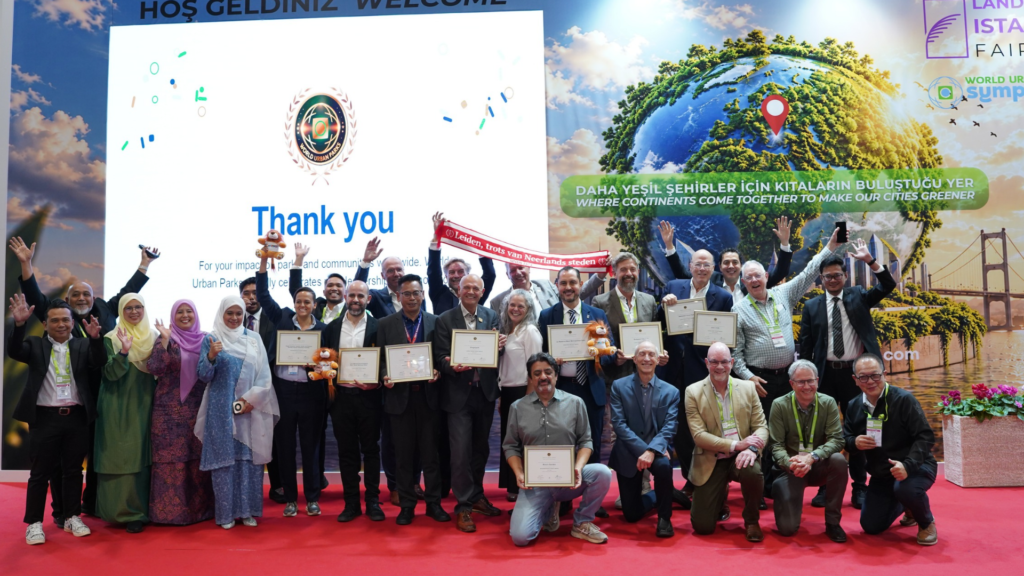
From neighborhood parks to major urban destinations, this year’s awards celebrate the ideas and leadership redefining public space worldwide.
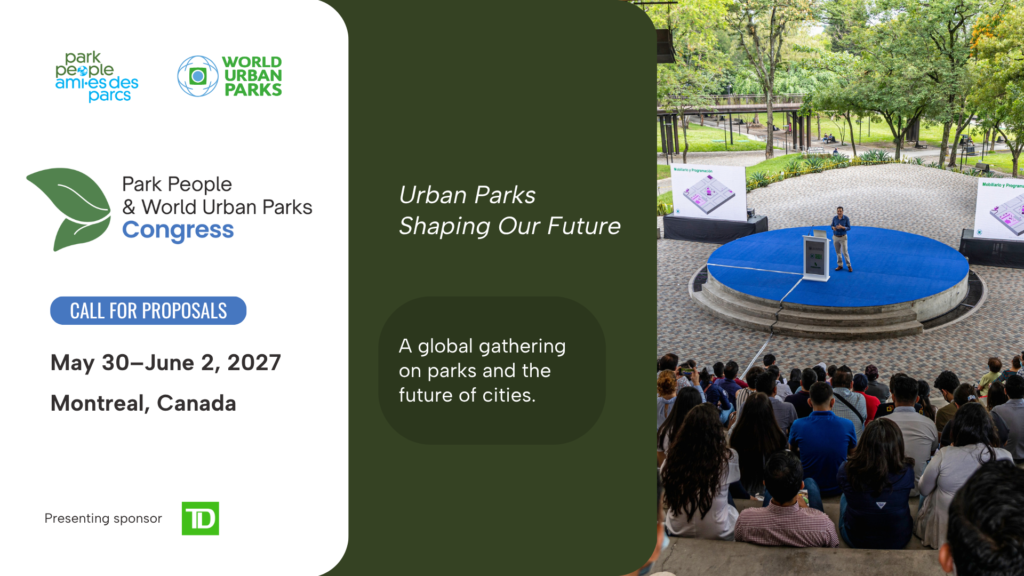
Share your ideas, research, experiences, and bold approaches at the Park People & World Urban Parks Congress in Montreal.
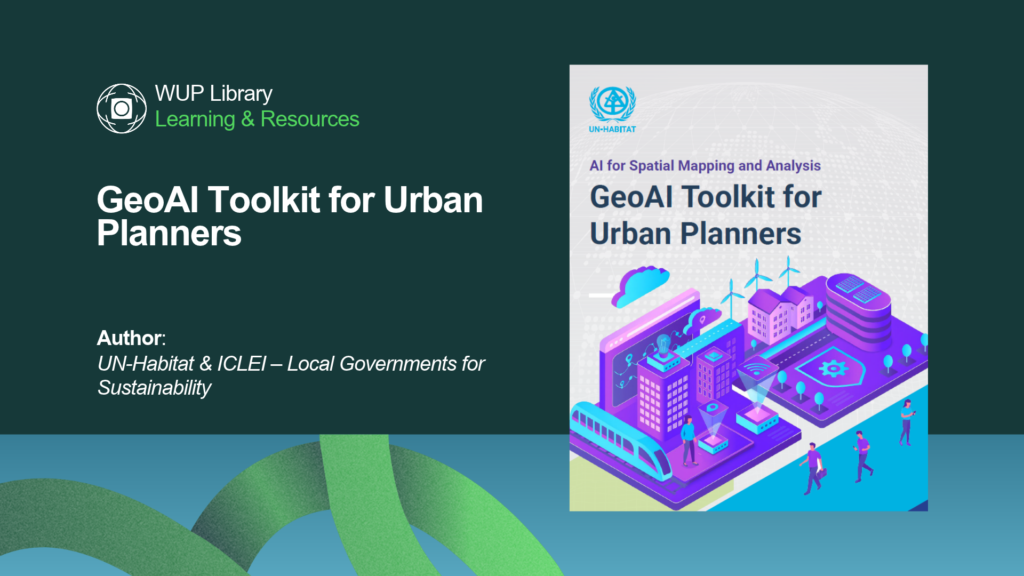
What if city maps could do more than show what exists—and help reveal what is changing, where risks are growing, and where action is needed most? GeoAI Toolkit for Urban Planners introduces the use of geospatial artificial intelligence to transform complex spatial data into practical insights for planning, infrastructure, mobility, climate resilience, public services, and...
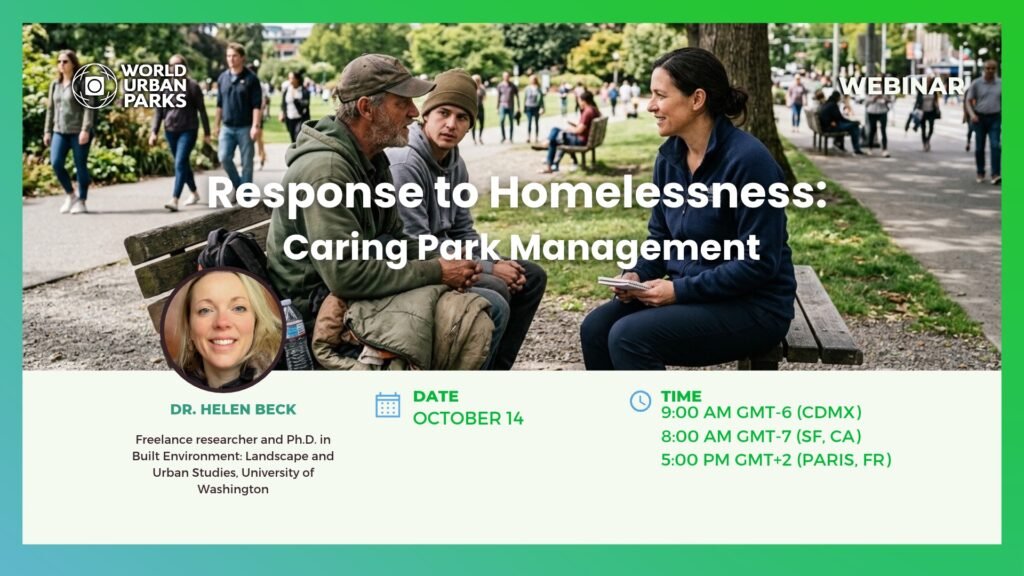
This webinar will focus on the management of public parks and recreation services in the context of homelessness.
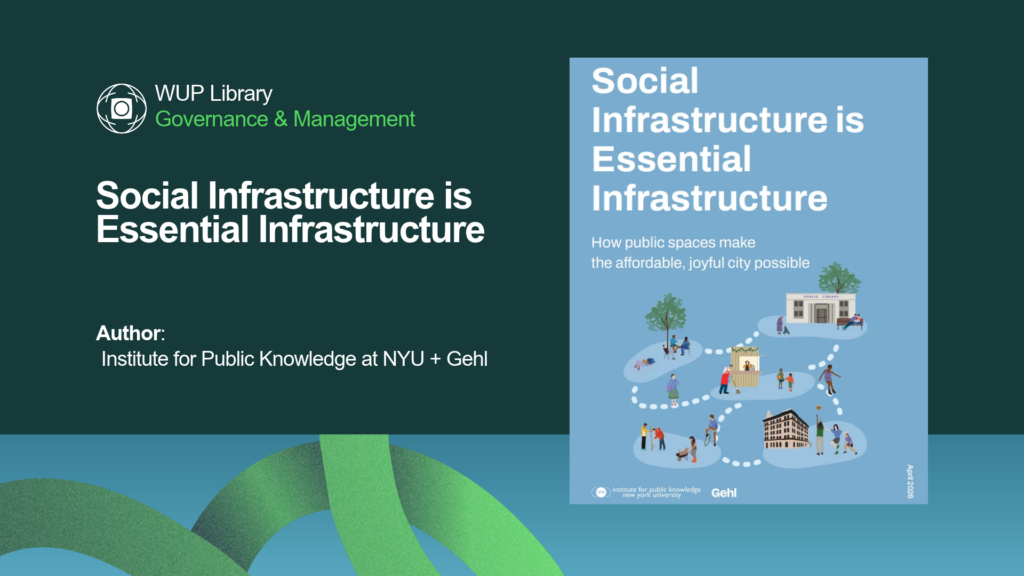
What makes a city truly livable is not only housing, transit, or utilities—it is also the everyday places where people can rest, play, learn, create, and feel part of something bigger. Social Infrastructure is Essential Infrastructure explores how parks, libraries, recreation centers, sidewalks, plazas, community gardens, skateparks, and transit stops form the social backbone of...
A new partnership between World Urban Parks and Parks and Leisure Australia will strengthen international connections, expand knowledge exchange and bring Australian expertise closer to the global parks and public space community.
World Urban Parks (WUP) is pleased to announce the winners of its 2026 Annual Awards Program.
In this episode of PodParks, we are joined by Hamish Coates, Principal Designer at the Greater Metropolitan Cemeteries Trust in Melbourne, Australia.

Key insight: Most community tourism projects don’t fail because the idea was flawed. They fail because an outside agency builds the infrastructure, cuts the ribbon, and leaves — handing the community a project it never truly owned. That’s exactly where this roadmap begins. That honest starting point is what makes the document useful. Instead of...

In this episode of PodParks, we are joined by Erika Nikolai, Executive Director of Park People, a national Canadian charity working to activate and strengthen urban parks through community partnerships.


Level 1 29 Brandon Street
Wellington 6022, New Zealand
📞 +1 780 644 6976